
What if the thing standing between you and the career and leadership impact you want isn’t strategy, skill, or hustle…but hope? In this episode, Melody sits down with Jen Fisher, former Chief Wellbeing Officer at Deloitte and author of Hope is The Strategy. Jen shares the science of hope as a performance skill – one that the research shows directly predicts goal achievement, drives higher performance, builds stronger teams, and creates the kind of leadership presence that people genuinely want to follow.
You’ll Discover:
About Jen Fisher
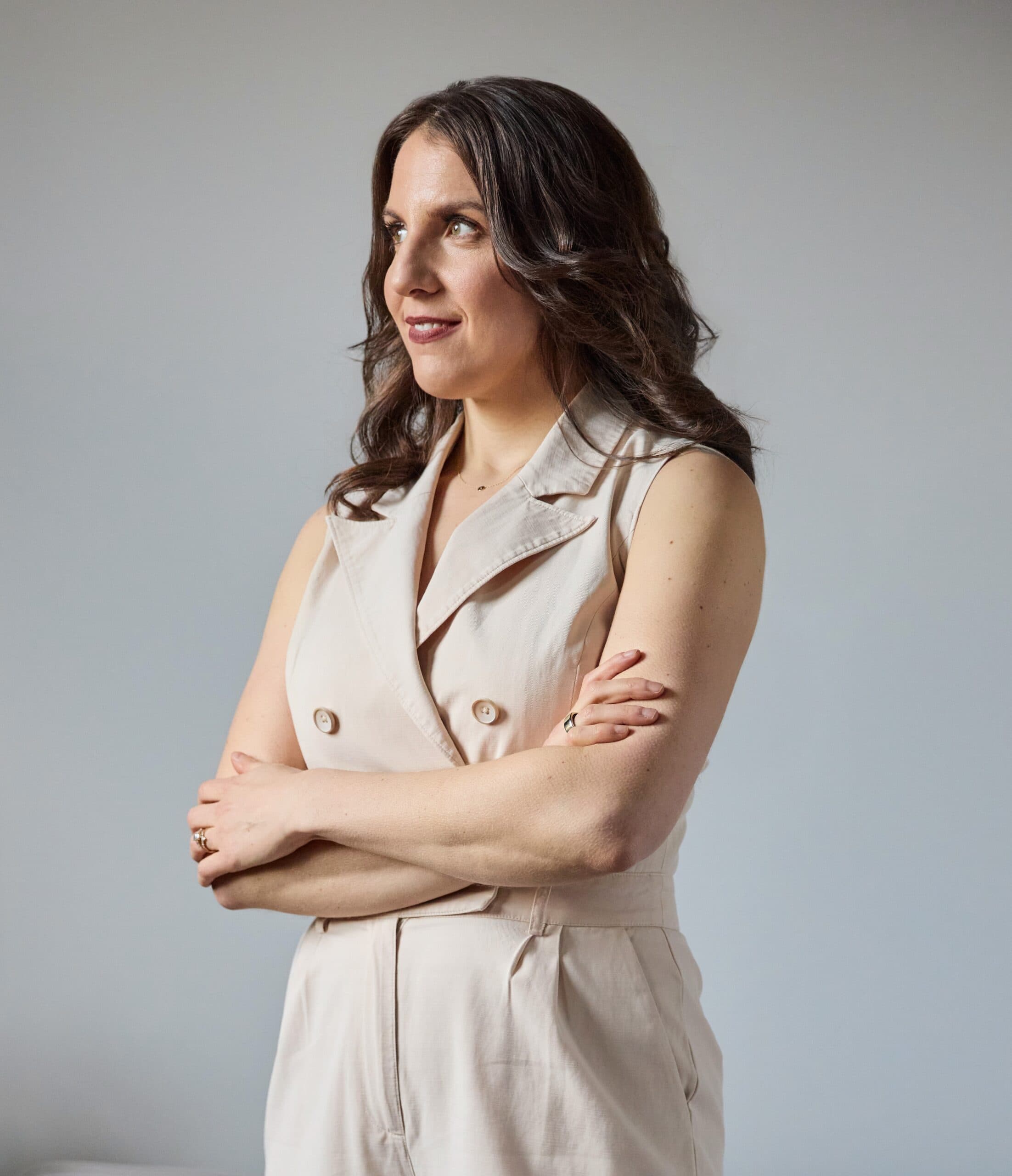
Jen Fisher is a global authority on workplace wellbeing, the bestselling author of Work Better Together, and the founder and CEO of The Wellbeing Team. As Deloitte US’s first chief wellbeing officer, she pioneered a groundbreaking, human-centered approach to work that gained international recognition and reshaped how organizations view wellbeing. https://www.jen-fisher.com/
Melody Wilding: I have been following today’s guest for years. I deeply respect her body of work and her career. So when I first saw the title of her book, Hope is the Strategy. My immediate thought was, that’s a bold claim. I was intrigued. I was maybe like you, a tad skeptical. But I have to say this is not your old fashioned idea of hope for the best.
Fingers crossed. Just pray it all works out. Not at all. My guest today is Jen Fisher and as Deloitte US’ First Chief Wellbeing Officer. She made mental health part of the workplace conversation way before it was mainstream. She took something that used to be this soft, squishy, nice to have, and turned it into a core business strategy tied to culture and leadership.
Her personal story may sound familiar to you. She’s a former corporate leader of 23 years. She burned out at the height of what looked like a wildly successful career, great title, great team, great money. And she came out the other side with a completely different understanding of what really drives performance, resilience, and growth.
Her book, as I mentioned, is called Hope is the Strategy. And she argues hope is not wishful thinking. It’s the disciplined practice of imagining better possibilities and creating the path to reach them. Today she’s here to talk with us about how we build hope as a skill and how we use it as a practical tool to keep ourselves and everyone we lead or influence highly motivated, bought in and progressing even when everything happening around us gives us very little reason to believe things are going to get easier. I can’t think of a more timely conversation to be having. You are going to love this one. Here’s Jen.
Jen, thank you for joining me on the show. This conversation has been a long time coming. I have followed you on LinkedIn for years, ever since I think even before your first book. So it is a joy to have you here to talk about your new book, which is all about hope, and that is a topic we don’t hear a lot about in today’s day and age, especially when it comes to the workplace.
So I would love to start by asking you. What led you to this topic and specifically you decided to call the book? Hope is the Strategy, and that’s a pretty bold standpoint to have now. How did you get here?
Jen Fisher: Yeah. Well first of all, thanks for having me on the show and, and likewise, I’ve been following your work for quite some time, so, It just feels good coming together and having this conversation. So led me to write this book? Well, let’s start with the title. Hope is the strategy. and as we discuss more today, people will learn, you know how hope became such a big part of my leadership philosophy, but I would say the, the title was chosen. Primarily because, I’m that person that likes to push back on social norms, and so it, it felt, it felt a little rebellious to go against, you know what we’ve always heard that hope is not a strategy. and also because I deeply believe that hope is the strategy. I’m not saying it’s the only strategy, but I’m saying that it’s an incredibly important strategy. and so why I wrote this book is, is I think it’s, it’s deeply personal. I mean, I spent 23 years, at Deloitte, so the majority of my, adult life and, in those, first 10, 12 years of being there, I, carved a path for myself that the outside looked like incredible success.
I, I, I had great roles. I had great titles. I had great teams. I was making good money and I was young doing it. but I was deeply unsatisfied on the inside. I was struggling and didn’t know how to ask for help. I was working in a high performing organization that, you know. Oftentimes you look around and people seem to have it all together, even if they don’t. And so asking for help feels like personal failure or that, people are gonna kind of figure you out and figure that, figure out that you don’t belong here. and so, that behavior and the choices that I made that were celebrated and supported by the culture. Ultimately led me to pretty significant burnout, and this was 10, 11 years ago when we weren’t talking about these things in the workplace and the way that we are now. And maybe that’s good. Maybe that’s bad. maybe we’re talking about it more now ’cause it’s happening more now, but we weren’t talking about it, so I knew there was something wrong. but I didn’t know what I was going through and so I just kind of adopted the philosophy of, keep pushing through, keep going eventually. It will make sense. Eventually something will give and something did give, but I was the something that gave, and, woke up one morning and I was alive.
I could get out of bed, I could make coffee, but I wasn’t engaging in life or work in any meaningful way. And so I did seek out professional help. I had to, take a leave of absence from work, and at the time I actually wasn’t diagnosed with burnout. I was diagnosed with depression and anxiety, which are very common too when it comes to burnout.
And also very similar symptoms in many ways. So it doesn’t really, in my mind, matter what we call it or label it. But, and so through the process of kind of recovering from burnout, my therapist was the one that actually. Taught me, educated me about Hope and c Schneider’s work, and had me do hope related exercises and practices to help move myself out of burnout. And so that was when I really realized, oh, well, hope is not what I thought it was. You know, hope is not, this. Flimsy, whimsical thinking of, I hope things get better tomorrow and I’m just gonna sit here and do the same thing.
Melody Wilding: Yeah.
Jen Fisher: but that hope really required me to kind of. Acknowledge where I was, kind of see reality, clearly have a clear goal of where I wanted to go.
So kind of the steps that CR Schneider talks about when it comes to, what real hope is. identifying the ways, the pathways in which I could get there, and then actually taking the action myself, the steps to do that. So, deeply personal for me because it is reflective so much of my own experience and also. Now that I understand the science behind it, that’s why I say that it is a strategy or the strategy. and what I say to people in the workplace, especially leaders, is do you want to lead a hopeful organization or do you wanna lead a hopeless organization?
Melody Wilding: Yeah. And.
Jen Fisher: unfortunately, I think many organizations are more hopeless right now than they are hopeful.
And so whatever strategy or transformation, AI or otherwise that you’re trying to deploy right now without having a hopeful workforce, you’re gonna struggle. You just are. ’cause they have to believe that what you’re doing is going to make tomorrow better than today.
Melody Wilding: Yes, I, I could not.
Jen Fisher: long-winded answer, sorry.
Melody Wilding: it, it is such helpful context because I, I have, I have gone through a similar experience of myself of hitting that rock bottom with burnout. That really just shifts your, your paradigm of you have to rethink everything about how you are operating the way you’re approaching your career and your life.
It’s. Really that evaluation point. What I want to understand from you though, is it sounds like there was a version of hope that led you to ver burnout. Right? I, I hope this gets better. I hope I just will keep putting in the work and I will see results. But what you’re speaking about now is a different version or a different definition of hope.
So how do you define it? How, what is different about the type of hope you are advocating for? And then I wanna talk about how specifically it might show up in our work, in our leadership.
Jen Fisher: Yeah, it’s a really good question and I think, the prior version of Hope, if I would even call it that, I might call it false hope, that, that if I, if I just keep going, things will somehow magically get better, but. But I didn’t really define what that meant. It was more just kind of like the grit and bear it. and so, know, maybe for some people that leads to positive outcomes, often, most oftentimes it, it doesn’t. and so. probably wouldn’t describe that as hope, or I would describe it as some sort of false hope or misguided hope, because there was really no, there was no, the only plan was like, keep going, right?
Like, I’ll just keep going. I’m gonna keep my head down. I’m not gonna ask for help. I’m not going to tell anyone I’m struggling. but for me, I think the first sign of real hope. Was actually when I admitted to myself and everyone else that I couldn’t keep going, that I couldn’t keep doing this because like I said before, real hope requires you to acknowledge reality, to acknowledge that where you are or where we are. Sucks. It’s hard. It’s, I feel hopeless. I am struggling. you have to, you have to like be realistic about where you’re starting from in order to truly move from that place. And so that’s why I think, for the workplace, and I often say, some of the most hopeful things that a leader can say is. I don’t know, or I don’t have all the answers, but I believe in our ability to get there together, or I, and so, nobody wants this version of a human being, a colleague, a leader seems to have it all figured out or has all the answers, or, this old model of like, never see let him, never let him see you sweat.
Or, check your emotions at the door. We’ve all worked with somebody like that, and it’s horrible, so like, hopeful leaders are real human beings. Like they’re, they are people that struggle, but also people that have the ability and the vulnerability and the strength, quite frankly, to say, struggling.
I don’t know all the answers, but, but this is what I do know. This is what I don’t know, and these are the, these are the steps we can take, to move forward.
Melody Wilding: Absolutely. We can all see through that bravado of, of, of pretending, you know it all. Especially in a time where clearly,
Jen Fisher: but it’s so prevalent. It’s still so prevalent,
Melody Wilding: yeah.
Jen Fisher: like, what are we doing?
Melody Wilding: Yeah. And okay, so you’ve mentioned a few, what I’ve heard in what you’re sharing is a few different applications of, of what hope might look like. It sounds like motivating your team, right? If you’re going after, there’s a lot of ambiguity and you’re having to go after that and motivate people.
There’s this injecting hope in terms of we can do it. I believe in our capacity and our ability. What are other. Examples or manifestations of how you can use hope as a strategy. What does that actually look like when you’re working, when you’re, when you’re leading?
Jen Fisher: I mean, I think, I,
I want to, I wanna go to a discussion around. Hopelessness
Melody Wilding: because I think that this is where becomes really, tangible for hope as a skill. So first, the first thing I wanna say about hopelessness and hope is that they can co-exist. And so, especially within the workplace right now, there are a lot of decisions that are being made. For people, and not with them or, there is this facade of, we’re going to include you in the decision, but really the decision has already been made. And so people are feeling this, lack of agency, lack of. do I matter? Do what I, do my actions here matter? and so, and this is why, I talk about, hope is a skill.
Jen Fisher: It’s not just a, it’s not a feeling. these are types, the types of things that can be practiced, they can be measured, they can be taught. And so you. Hope isn’t, the motivational poster on the wall, hope is, the leader that says, know, I’m not, not certain about the outcomes of cer, of, of decisions that are being made right now. but let’s focus on the things that we can influence the sphere of influence that we have, and what can we change and what can we still do within. the, the, the barriers that we see or just within the environment that we’re in. and so I think again, it, I, I kind of keep going back to the same thing that it’s, it’s this acknowledgement of, of reality.
You can feel hopeless about the broader state of things, whether that. Global issues, geopolitical issues, political issues, organizational issues. I mean, life is hard right now. but we all still have the ability to identify areas where we can have impact and where we have influence. And so it’s almost like. What is the, the smallest thing that I can do, that is going to allow me to cultivate and generate, feeling better, feeling hopeful, you know? And so in the book I talk about, hope as, identifying the next step, not identifying the next 10 steps, knowing what the goal is and being clear about that, but identifying the next step because I think when you. Identify the next 10 steps. It can feel overwhelming, especially for people or teams that are struggling. Right? And so like, what is the very next thing that we can do or, something that I regularly do or did with my team is, something called like hope projects. What are some projects that you can take on that are like easy guaranteed wins, right? That are going to give people. know, their sense of agency back, just feeling better, connecting with one another. ’cause what? Hopelessness in workplaces shows up as people. Kind of disconnecting people, no longer bringing ideas forward, people no longer collaborating with one another outside, of, of the utility of just getting work done.
Right. And so, how do you bring that back in, in the smallest ways, knowing that you, yourself and your team. be feeling hopeless or might be struggling, or might even completely disagree with some of the decisions that are being made on a broader, on a broader scale that are truly out of your control.
Melody Wilding: Yeah. And, and it strikes me as you’re talking, that hopelessness leads to helplessness, right? We do. We don’t speak up. We don’t,
Jen Fisher: Yeah.
Melody Wilding: we don’t go the extra mile to make an effort because why? Right there, there’s no hope. So, so why, and what, there’s also nuance to what you’re saying that it’s not. There’s, there’s having optimism about the future, will be brighter, that it can be better, but not just blind Pollyanna optimism.
There’s also, believing in your capability, your resourcefulness to figure it out as you go, but not overconfidence in our ability to figure it out as we go. So I think that’s important because they’re, they’re. It, I mean, nuance is missing from a lot of conversations. So I to point that out for people.
I, I love this idea of hope project, so I wanna come back to that in a minute and ask you what specifically that looked like for you and your team. But this idea of hope being a skill is very intriguing, especially as I tend to be someone who is a glass half full, or, I’m sorry, glass half empty, sort of a person.
More, more pessimistic by nature. And so this is very interesting to me. How, how do you learn hope? How do you get better at it as a skill? If maybe you’re someone like me who’s just naturally wired to see how things could go wrong, or here’s why this isn’t going to work out. What, what do you do?
Jen Fisher: Yeah, I, I love this question because me too. and, and in, in the, in the book, I actually kind of have this sidebar story because I, I’m also somebody. that, that lives with anxiety, generalized anxiety disorder. And, and so I am, am, am Olympic gold medal skill at catastrophizing and going from everything is fine to, the world is ending tomorrow in, three seconds flat. Mm. So a friend of mine once said to me like, Hey, we were talking about hope and I was talking about CR Schneider’s framework in particular. I was talking about Pathways, thinking like possibilities, thinking, like thinking about, all the ways in which I can accomplish a goal. And she said to me, well, doesn’t somebody with anx like doesn’t creating multiple pathways for someone with anxiety give you more anxiety?
Because you know people that kind of lean. more glass half empty or kind of are really good at catastrophizing are really good to going to, well, this isn’t gonna work. We like certainty. We like to know that the path that we’ve chosen is the path that’s going to work. but what I’ve learned through practicing hope is a skill and kind of forcing myself to ask questions, well, like what if it wasn’t the worst case scenario or, what if it didn’t work out, but also what if it did work out? like, so kind of forcing yourself to, to open up your thinking a little bit more and identify, the pathways in which you can get there.
And so for me, actually doing that and kind of forcing myself to do that until I became a practice has been like incredibly helpful for my anxiety. ’cause what happened instead of going charging full force down one path and hitting a wall and then freaking out and not having an answer and not knowing what to do and then just completely shutting down. I can say, okay, well this is interesting, but hey, I, I also identified these other pathways, these other possibilities, these other directions that I can go in. And so I think it’s as simple as, and I was that leader that forever. I think a lot of us do this too, or we’re taught to do this, especially in the workplace because identifying what won’t work feels like the responsible thing to do. like telling somebody we’ve tried that before and it didn’t work, or, that’s not how we do things here. Feels like the responsible thing to do, especially as a leader. I’m gonna tell them not to waste their time because we’ve already done that and it didn’t work well. You’re actually kind of killing hope for the other, you’re, you’re killing hope for the other person.
You’re actually killing possibility for the fact that maybe you tried it before, but maybe it’s, as you said, nuanced, like maybe there’s some differences in the approach that this person that wants to take and you just shut the whole thing down. Right? And so it’s almost forcing yourself to kind of. Start with the, what if it goes right, what if I approach this differently, and then looping back at the end of the day or the end of the week or the end of the project and say like, how did it go? like, and start to train your brain differently for. Possibility versus, a threat or, it’s not, it’s not gonna work.
I know it’s not gonna work, type of thing. And so I think it’s, it’s that, it’s, it’s, setting kind of tiny goals, for yourself and then taking the time to reflect on like, okay, that worked or that didn’t work. but where do I go from here? And so really training your brain in like small ways of the possibility, thinking.
Melody Wilding: Yeah. And, and possibility.
I wanted to loop back to that idea of hope projects because that sounds like another way to train yourself into possibility by getting real evidence of, of what is possible. So what did that look like for you or your team? Do you have an example you could share so people could wrap their heads around what that might be?
Jen Fisher: Yeah, and I, there’s a lot of examples in the book, but I think, one that comes to mind that I think is probably very relevant in the, in the time that we’re in now is, during corporate restructuring, right? leadership changes, lots of, restructuring, I, as the leader of my team, couldn’t control decisions were being made.
What was being cut wasn’t, wasn’t gonna be cut. And, and so I was transparent with my team about, like, I, I can’t, a lot of these things are outside of my control, but what is within my control is, us starting a Lunch and Learn series on Friday where we can each teach something to. Another person or to the broader group, that that they might, may not know That’s, part of my expertise.
And so, I explain that as, we can do this. We have this, we have these different expertise within our team. We can teach each other. Regardless of what happens, we’re still learning and growing and evolving and kind of pouring into ourselves in each other. And so that builds connection, continues to build connection and community in the team.
Hope grows in community. and then also you’re giving people new learning, new tools, new resources. If their job does get cut for some reason. maybe they leave with, some more knowledge or a newer skill or, so what are the types of things that sit within your sphere of control?
So when I sit with team leaders that are like, well, I have no control, and I’m like, well, you lead an entire team. and so yes, you’re right. You have no control of the decisions that are being made at the very top, but you have control of the experience that you’re having and that your team is having. And that’s really important to those people. And it should be really important to you. And so I think it’s focusing, I think it’s natural as humans to focus on all the things that are happening that are outside of our control. ’cause that’s uncomfortable. But it takes us away from focusing on what’s within our control.
And when we focus on what’s within our control, that, hope grows in that. Because then we feel, we feel a sense of purpose. We feel a, we feel meaning, we feel like we’re doing what we’re doing matters. It’s helping other people. and that’s where hope grows.
Melody Wilding: And I, I’m reminded of all of the research that shows how contagious emotions can be and yes, negative emotions are more contagious. ’cause evolutionarily speaking, it’s, it’s, that’s helpful for, fear to kind of spread within a group, just to keep everybody.
Jen Fisher: Yeah.
Melody Wilding: Keep everybody safe, but positive emotions are contagious too, and you can have that virtuous upward spiral.
So I, I do want to loop back ’cause you’ve mentioned, CR Snyder a few times, and I do want to understand what is that framework, because it sounds like that comes from research. So share with us what, what is included in that. It’s probably elements of what we’ve been talking about. Yeah.
Jen Fisher: Yeah, for sure. So, CR Snyder, is kind of known as the Godfather Hope theory, if you will. There’s been other great researchers since him, but what he kind of said as the, there’s three components of cultivating real hope. first is goals, right? So having a very clear goal. So, and, and within that, that’s recognizing where you are and then knowing where you want to go with some specificity.
So it, it can’t be, I wanna win the lottery, it has to be a realistic goal. and then the second piece is, this pathways or possibilities thinking. So identifying. Three ways in which you can achieve this goal or start to move towards this goal. And then the third, which comes up quite a bit in the workplace, is agency.
What is my ability to actually do something about this? Right? Do I have the ability to affect change? And so if you’re setting a goal that you have no ability to effect change on, then that’s not a great. Not a great goal. at the end of the day, you’re gonna end up, you’re gonna be left feeling pretty miserable because you just set a goal that you can’t, that you can’t achieve or that you can’t accomplish, or that isn’t realistic.
And so all of these things, in my mind, in the way I think about it from the workplace is, the beginning of each year. Or fiscal year. Everyone is told to set goals in the workplace, and so we kind of just make up some stuff that sounds good and get it in the system because there’s a deadline and we have to, and then maybe there’s a mid-year check-in.
For some organizations, most of the time your goals don’t get looked at until like. 10, 11 months later when you have to go and like look at the goals you set and talk about the progress you made towards them. Well, if your experience is anything like mine was, whatever I said at the beginning of the year, by the end of the year, didn’t even make any sense anymore. Like so much had changed. Right? And so I think of like the process of, the strategy around hope or cultivating hope and hope theory is this deeper level of goal setting, right? And it requires you to consistently check in and. Reassess whether the steps that you’re taking are moving you towards your goal or away from it, and are the steps that you’re taking meaningful, do they matter?
those types of things are, the parts of the, the three components of, of hope that C Schneider set out. And so for me. That kind of makes a whole lot more sense than the way that we actually do goal setting within an organization. And so I think about it as a deeper, as a deeper way, a more meaningful way to set goals in an organization.
’cause you have to regularly check in on your process, not our, on your progress, not just once a year.
Melody Wilding: Yeah.
And, and that leads me to, I, I think it is. It is so motivating to think about hope as a strategy. We need more than that, but I do think about the listener who is saying still things are really tough, and how do I tow that line of building hope, trying to inspire other people without over promising.
Jen Fisher: Yeah. Yeah, I mean, so, and I think that’s really important and goes back to, your power lies in this sphere of influence that you won. and so, how do you run a meeting? how do you respond when somebody brings up, an unrealistic or kind of bad idea. How do you acknowledge when a project’s hard?
How much autonomy are you giving your team to make decisions? ’cause to me that’s not nothing. those are actually the things that, research that I’ve done and so many others. Those are the types of things that are actually impacting people’s day-to-day experience at work, right? So people aren’t engaging with the most senior leaders within an organization every single day at work.
They’re engaging with you as their leader and their other team members. And so what is if you wanna think about it as, as a microculture, like what, what is the sphere of influence that you do own? what is the, what is the agency and the control that you can give to your team to make decisions?
How are you showing up when you know when things get hard? are you kind of showing up as this, know, unflappable, infallible, robotic leader? Or are you showing up in a way that is, human and that, you believe in the group’s ability to move forward even though things are, are really hard.
And so, It’s a lot easier to say, well, I have no control and throw my hands up. It’s a lot harder to hope is hard. I mean, it’s not an easy skillset. I think it’s, it and, and especially when you’re feeling hopeless and other people are feeling hopeless, being the one that is, saying, okay, well,
Let’s think about what we can control. Let’s think about the things, the ways in which we can still move forward. Let’s think about, being that person, is, is hard sometimes, when it’s easier to just kind of sit and be like, well, all of this sucks, so what’s the point? but the point is. I mean, we talked about hopelessness, leading to helplessness. I also think ultimately leads to burnout. And for me, when I look at my own experience, being hopeless for too long, ultimately, led to my burnout or at least was a big factor in my burnout, because you just start to you, you stop having any motivation to care about what it is that you’re doing or why, or the people that you’re doing it with, and that’s not a good path forward for anyone.
Melody Wilding: Yeah.
What I have seen in my work a lot, and you might relate to this, is that another way you can burnout is being the only one carrying hope for whether it’s, it’s your direct reports, it’s your peers. how do you, be that, that beacon without emotionally over-functioning yourself into a burnout.
Jen Fisher: Yeah, I mean, look, you, that’s a hard
Melody Wilding: Yeah.
Jen Fisher: but, look, I think, There, there’s been a lot of people that have, have said this, but I credit it to, to Shane Lopez, who’s another hope researcher. that, people can deal with difficult truths a lot easier than they can deal with uncertainty. And so, believe in, truthful about what this situation is allow people then to, take it away and process, accept, adapt to that reality. as opposed to kind of sitting in ambiguity. ’cause then people are kind of sitting in this space of, of. A threat. They’re, they’re vigilant. They’re waiting for the other shoe to fall. that, that shuts down pathway thinking. So for me, I think it’s, and then there’s gonna be some people that, that just can’t, right? Wherever they are in their own journey, they’re not able to kind of move past. It’s not your job to fix people. it’s your job as a leader to, Show up and be truthful and support your people in the ways that you can. and I think requires you to be realistic and honest, and acknowledge kind of current difficulties, but also. Help, people to see kind of the better, the better, a better future or a model to, to aim for if some people can’t get there, can’t force them and, and you and, and I think, so I think that’s where boundary setting comes in too. personal boundaries and knowing like, can only do this much for someone, but I can’t, I can’t force someone to. To take the next step or to see things differently, I can help them, I can tell them what I, I can help them see things that I see, or I can help them with the process. But if they’re not willing to go there, then sometimes that you have to walk away.
Melody Wilding: Yeah, that is a great reminder. Great place to wrap things up for this conversation. Jen, where can people connect with you and find the book?
Jen Fisher: Yeah, absolutely. So best place to connect with me, we were talking about it earlier, is on LinkedIn. I’m pretty active there. The book you can purchase whatever your favorite bookseller is, whether that be online or in your local market, it can be ordered for you. And I also have a Substack newsletter that’s called Thoughts on Being Well.
So if you are a Substack person, you can find me there as well.
Melody Wilding: Thank you so much for being here.
Jen Fisher: having me.
You’ve got the brains (obviously). You’ve got skills (in spades). Now let’s get you the confidence and influence to match.
