
Helen Tupper, co-author of Learn Like a Lobster, joins Melody to share why the most successful professionals aren’t trying to KNOW it all, they’re LEARNING it all. She reveals how to stay relevant without adding more to your plate or risking your credibility. If you’re tired of feeling like everyone else is keeping up while you’re barely hanging on, this conversation will give you a way forward that actually fits your life.
What You’ll Discover:
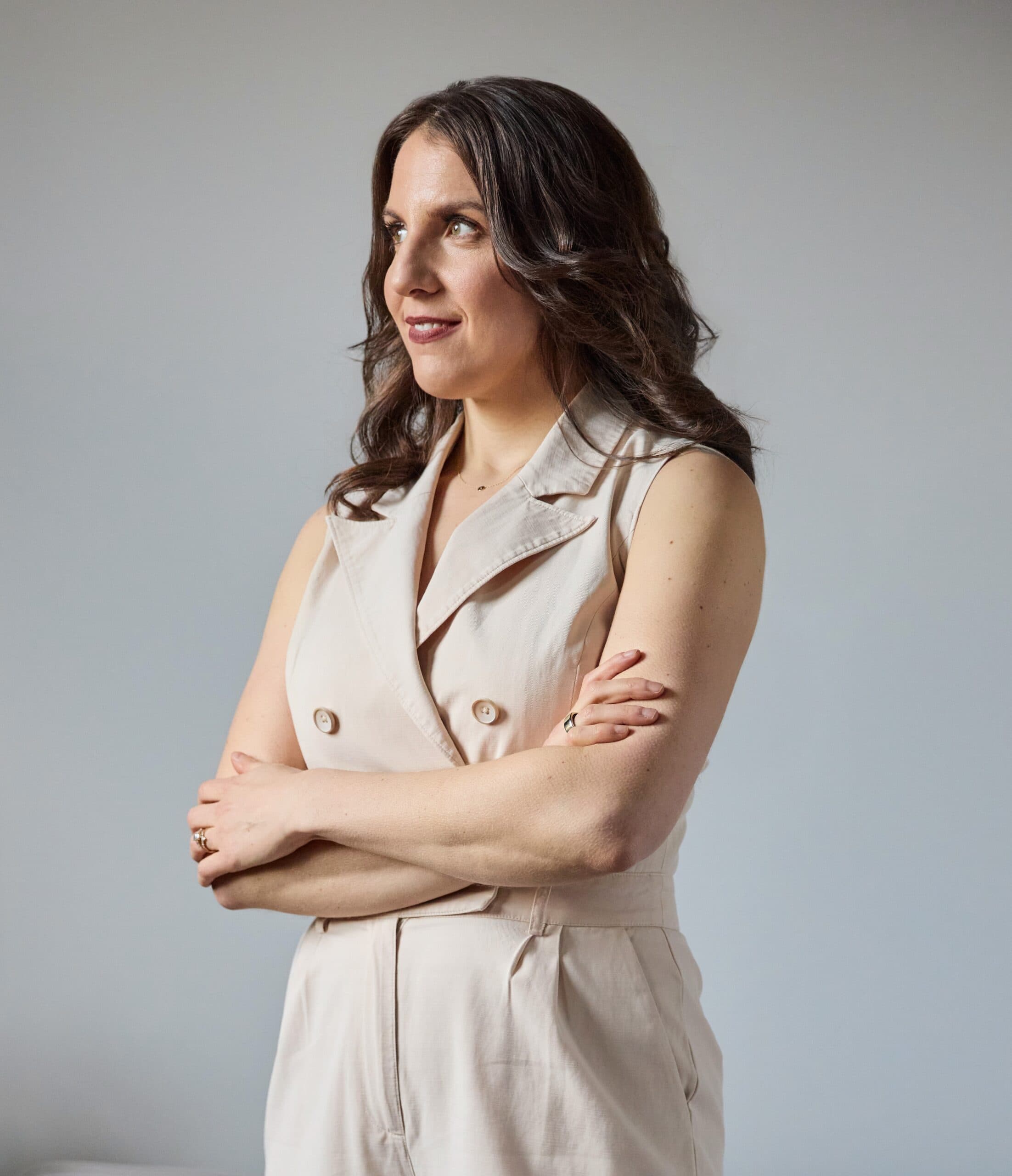
About Helen Tupper
Helen Tupper is a global expert in learning and career development. She is the co-host of the Squiggly Careers podcast and co-founder of global career development company Amazing If, which trains over 100,000 people a year in partnership with over 100 organizations, including Visa, Microsoft, Danone, Sky, Warner Brothers, Lego and HSBC. https://www.amazingif.com/
Melody Wilding: The timing for today’s conversation could not be better because right now I’m hearing a consistent theme from the leaders we coach. They feel perpetually behind, behind on the latest AI tools behind on understanding how the industry is shifting behind on the skills they think they should have by.
There’s this low grade anxiety that if you’re not constantly learning, upskilling, keeping up, you’re going to become irrelevant, obsolete. You will be left behind and all the advice out there isn’t helping. It’s all about commit to lifelong learning. Invest in yourself. Stay curious, which sounds great in theory, but when you’re already drowning in meetings, reacting to fires all day, barely keeping your head above water, how exactly are you supposed to carve out time to learn something new?
Plus a lot of the learning at your level. It’s not even about acquiring technical skills. It’s relational. It’s political. You get promoted and suddenly you’re dealing with new stakeholders who have completely different expectations. You join a new team and you have to figure out the unwritten rules fast.
There’s a reorg and the entire power structure has shifted. So how do you upscale for that? Something that seems so intangible. All of this is why I wanted to talk to today’s guest, Helen Tupper. She’s co-founder of Squiggly Careers and the co-author of the new book Learn Like A Lobster. What I love about her approach is that she’s all about making learning sustainable and strategic, not just cramming more into your already overloaded schedule.
So let’s dive in.
Helen, thank you so much for joining me today. I’m really excited to be talking to you about your new book, so thank you for taking the time.
Helen Tupper: Oh, thank you. I’m looking forward to the conversation.
Melody Wilding: Yes, you, I was telling you while we, were in the green room, that I first came across your work because so many of my clients would say, I love Squiggly Careers.
It’s one of my favorite podcasts. I’ve read the book and now you have a new book coming out that has a really interesting title. Tell us about what the title is and then how it came about. What’s the meaning?
Helen Tupper: Okay. So yeah, the new book is called Learn Like a Lobster, uh, and it is a book about learning and slightly about lobsters, probably a bit more, a bit more about learning, but um, maybe if we talk about, why we’ve written the book and then kind of where does the lobster come into things. So as you said, squiggly careers, we’ve been talking about that for a while, since sort of about 2013 was when we first started, and the podcast started in 2017.
So, you know, we’ve been talking and supporting squiggly careers for a while, and that’s really about helping people develop in different directions and, and, and unlocking sort of career curiosity. And one of the things that we’ve noticed is that the people who are most likely to succeed in squiggly careers are the people who are most open to learning, who are most committed to learning at work.
But we also know that that isn’t easy because there’s lots of things that get in the way of people learning. You know, we are told I don’t have enough time or, there’s so much to learn. I dunno where to start. Or, we actually often can’t see good role models. Like when we look around our organizations, we’re like, well, who are these brilliant learners that, and leaders that I’m supposed to be inspired by?
And our belief is that if we don’t help people to sort of reconnect and relook at learning, then lots of people are gonna get left behind in squiggly careers. So it’s, it’s sort of like the bigger that squiggly has become, the more important this need to help people learn at work has become sort of in parallel with it.
So that’s why we’re passionate about learning at work. The lobster, comes into the learning equation because it, it’s actually the role model. It’s the role model point. We think lobsters are a surprising role model that we’ve been missing because they have three traits in terms of how they grow, which are very interesting.
Before I say them, what, how much do you know about lobsters? I could be talking to a lobster expert.
Melody Wilding: Not quite. I’ve, I had a
Helen Tupper: Okay.
Melody Wilding: crab when I was a kid, but that’s about the most I know about what are they, crustacean or shellfish or something. Yeah.
Helen Tupper: I
Melody Wilding: that,
Helen Tupper: mean, I had a dog. You had a crab. I feel like you won, you won with the childhood pet. Definitely. So they are crustacean.
But, so three facts about our crustacean friend, the lobster, in terms of how they grow. So the first is they never stop, growing. So they have something called indeterminate growth. So as humans, we get to a point in our life where we actually, it start shrinking. We kind of go backwards, but the lobster only goes forwards. It only gets bigger and bigger and bigger, until the day it dies.
And the way that they enable this growth is sort of fact number two is that they break open their shell. So they are kind of crawling along as lobsters. They recognize their shell is constraining their growth. ’cause they’ve gotta keep growing. They break apart their shell. So they, they basically consume lots of water, make their body bigger, crack open their shell, they crawl out of it. It is exhausting as it sounds.
And then they’re vulnerable because they’re like this little sea worm shell less sea worm. and it’s quite a risky moment for them. But if they can go through this moment of vulnerability, the shell can then grow back and when it grows back, it’s bigger and better and stronger than it was before. They can even grow like lost limbs that they’ve lost when they’re having some little lobster fight.
It’s amazing. It’s amazing. And they do it over and over. So the first, five to seven years of their life, they do this 25 times and they do it almost every year afterwards. So they’re kind of expert at going, I am constrained, I need to grow. Vulnerability is how it’s gonna happen, and I’m, and I’m gonna make it happen. So they, they just do this naturally.
But the reason, and this is the third fact, which is a little bit weird, the reason most people don’t know about it is the shell that they have, shed, they then eat to fuel their growth. So they’re like this self-sustaining system for growth. And you may be thinking, what does that have to do with learning at work?
The connection, we think the connection here is, other than lobsters are quite interesting if you think about learning in the same way that a lobster approaches its growth, then, the lobster never stops growing, so you would never stop learning. You would learn every day. It would just become part of your DNA.
Always learning, always growing. And the lobster grows in these moments of vulnerability. So we would learn in our hardest moments. You know, when you get that really hard feedback or when you feel like you’ve failed. That that becomes your most fertile ground for growth and learning at work, rather than something we want to forget and avoid. and then the last bit, I’m not encouraging anyone to eat a shell. And what I am saying is that lobsters are really resourceful. So they don’t wait for fuel so that they can grow. They, they use what they’ve got so they can grow. And there is a lot that we can use so that we can learn.
And if we thought about how do we lead our own learning, how do we create rather than weight learning, then we become less dependent on other people for our development. So the book is really trying to say, it has never been more important that we learn at work or we’re going to get left behind, and we need a new way to look at learning to make that easier for everyone.
And why don’t we think about lobsters as a way into that conversation? So that’s, that’s really the book.
Melody Wilding: The, it is so fascinating. I did not know any of that about lobsters and now that’s gonna be great dinner table conversation. But it, it is, it is so different that it’s memorable. That’s going to stick with me for a very long time, which I love.
You were talking a lot about learning through experience. You were talking about failing and try. We learn through the difficult things. you said that the idea for this book came about because in order to enable people to be successful in squiggly careers, you need the skillset. So do you have a story or an example of someone who was open to learning in the way you are talking about here? How that enabled them to be successful. Maybe also define for us what you mean by a squiggly career. Uh, I’m a
Helen Tupper: Yeah.
Melody Wilding: with your work, but the people listening may, might not be,
Helen Tupper: Um, so, and maybe I’ll talk about, squiggly careers, kind of what they are so that we’re all kind of on the same squiggly page. And then I’d actually like to sort of borrow a bit of brilliance from Satya Nadella, who’s the CEO of Microsoft, a company I used to work at as a, sort of, a way, a way into thinking about this.
So, so squiggly careers. They are really a contrast to the idea that careers should look like a ladder, which has been an idea, a concept that’s been around for a long time. So the ladder like career tends to feel quite familiar to people and it comes with a lot of assumptions that success looks like becoming senior, that I should always be thinking about my.
Step, um, that everyone’s got this ambition of getting to the top. You know, there’s this sort of linearity, predictability, seniority that goes hand in hand when we look at careers like ladders. And the issue with that is we are not working in a linear world. And, our days are not very predictable and people don’t want to do the same thing.
And so it is very constraining, just like that lobster shell, but it’s very constraining for people’s careers and they get stuck because they don’t know how to break out of it and they don’t know how to sort of grow beyond this very old, notion. It’s been around for over a hundred years, this idea of the ladder so develop for a very different world than the one that we work in.
So squiggly career says, actually ladders no longer reflect our reality or our individuality. Let’s help people to have a career as individual as they are. And there are sort of two sides to the squiggle. So one side is the individual. How do I develop the skills to succeed in a squiggly career? And there are, there are set of skills, like I absolutely talk about that, that give me the ability to have that career as individual as I am. And then there’re structures, so there is how do we structure companies so that people can squiggle and stay. So they can, you know, they can see where their talents can take them rather than getting stuck in a silo. But if we have the skills and the structures, then we, we help people have careers as individual as they are.
and then your point was, is there an example of somebody who kind of has this sort of approach to learning? I used to work at Microsoft and I feel like I was at Microsoft at a really interesting time. So relatively early on in Satya Nadella’s, time as the CEO, and he, he really made a massive shift in the organization in terms of the mindset.
So they’d gone from being. Quite a kind of closed, fixed mindset culture, which, you know, had had sort of worked for them at that that time, but it wasn’t working for them in the market. And he really believed in this idea of a growth mindset and took Carol Dweck’s work on that and, and really like no other company I’ve ever seen,
said this is gonna change our culture. And he talked about this difference. What I think is such a good example of what I’m trying to get across, this difference of know it all versus learn it all. So the know it all treats learning as something that you start and stop, you tick it off and you. Your learning status is signified by a qualification, so you know it or you don’t.
and it’s, it’s kind of like this idea of like, the more qualifications that I get, the better I am. And, and the, the problem with that is it’s quite limiting for lots of people. Also. Lots of people can’t access that kind of learning. it’s quite alienating, for people who don’t learn in that way.
And so what he wanted to create was this culture of learn it alls. People who were curious, people who ask questions, people who didn’t just see learning as qualifications. And I guess I, I can’t think of a better example than him because, his approach as a leader creating that culture changed Microsoft.
It changed how Microsoft approached feedback. It changed how Microsoft, like how they did interviews. Like everything changed when you thought about how do we approach work as a learn it all rather than know it all. so I, I know I take a lot of inspiration actually from my time there and seeing the difference that a leader can make to a learning culture.
Melody Wilding: Mm-hmm. It’s fantastic. And
Helen Tupper: Fantastic.
Melody Wilding: I love that switch from know it all to learn it all. You were, you were starting to allude to that fact that learning is a binary, right? Or we wanna move away from that idea. I was wondering if you could speak to, going back to this idea of learning as experiences, because sometimes when I’m talking to people, they’ll say, ugh, I, I just, I don’t have enough time in my schedule to sit down and go through that course that I wanted to go through or get that certification. It sounds like you’re advocating for a slightly different take on learning. So talk to me about that because,
Helen Tupper: Yeah.
Melody Wilding: Uh, I know I’m, I’m always talking to, to my clients about how as adults we learn differently than children. We don’t just sit down in rote, kind of the multiplication tables into our head, and then we remember that it’s different once you’re in the workplace.
So, yeah. How are you, how do you think about learning or define it in this book and in the way you teach?
Helen Tupper: Yeah. Yeah. So I guess the first thing is I’m not invalidating courses and qualifications. I think actually in lots of professions they are quite useful, but, we don’t all need those, and that shouldn’t be the only way that we look at learning. In fact, the majority of learning is, as you say, it’s through the, our experiences, that we do on a day-to-day basis.
So if I, if I think about some of the sort of principles in the book and how we’re trying to say, well, well, how can we look at our everyday experiences and work and kind of Dial them up for learning. So if I go back to the lobster for a moment, the lobster never stops growing. So we should never stop learning.
The first part of the book is all about kind of well learning as we go, and there are, there are three principles, which we think if you bring these into your work, you will learn more from what you are already doing, the experiences you are already having. Um, so the first one is about questions. The, the quality and range of the questions that you ask will determine how much you learn in a conversation. So I feel, you know, I feel like I’m on the end of your questions today, but if I, if I could have some time now and just ask you some really big open, curious questions in the time that we’ve got together, I would automatically learn more from this discussion. And I don’t think we teach people how to
ask questions. Mo, most people have a question habit. So you have a preference for, maybe a, a what question or a how question or a when question. And so your range of questions isn’t that broad. ’cause we get stuck. We get stuck in sameness and familiarity. But if we teach people about curious questions, question range, question build, then suddenly.
You, you, you automatically learn more from conversations you’re already having. Um, same with experiments. If we create moments of experiments in teams, so experiments are when you’re doing something for the first time, a. It’s not really about whether it succeeds or fails. It’s about doing something you’ve not done before and what you learn from doing it.
And if we start our week thinking, what am I gonna experiment with this week? I’m gonna experiment with recording on a new podcast platform. So I was always gonna record a podcast, but I’m gonna do it on a different platform, or I’m gonna experiment with a new bit of tech. I normally use chat GBT this week I’m gonna use Perplexity.
And so it’s doing tasks that we would’ve already done, but adding this lens of experimentation and you automatically learn more. And the good thing about this is it doesn’t take more time. People always think, well, learning looks like going on a course, therefore I have to find the time to learn. And then you get stuck in a bit of a loop of I can’t find the time, I can’t learn. It doesn’t help us. But when we say, well, what am I already doing and how could I experiment with it? You suddenly make an everyday moment, a learning moment without it requiring more time to do it.
Melody Wilding: Uh, fantastic. I I want to ask about the question range and question building. That’s really
Helen Tupper: Yes.
Melody Wilding: look like or sound like?
Helen Tupper: Yeah. Okay. So the easiest bit to think about the most, um, the most immediate questions people ask is like a six one. So, uh, standard open questions are your what, when, why, where, who, and how. They’re like your standard questions. And most people will have a preference for one or two of those. So the, the easiest thing to start doing is to become a bit more aware.
Of which one of those six you default to? So for example, I’m quite a detailed person, so I quite like a, well what, what’s gonna happen? And a when. I tend to like what and when. And, and so just by me thinking, well, I’m gonna ask a few more why questions. Well, why have you changed, made that change, and why did you think that would be the best thing to do?
Or, or I might ask a, who, who else could we learn from? It’s not my natural kind of habit to ask those questions, but if I’m just broadening my range a little bit, I’ll bring some of those in. So that’s, that’s the first thing that you can do. the second thing is when you can build on that question with a tell, explain or describe.
And so let’s say I ask you, a, what’s the objective with your podcast? And I’ll, you know, I’ll, I’ll pause and I’ll kind of listen and learn from you. So I could then do a build on your response and say, okay, so explain what would you would like the podcast to look like in 12 months time.
And it becomes like a natural way that I learn more. I’m very easily dropping a few more questions into our conversations and I get much more learning out of it. But because people don’t think about their. Question capability. They just ask the same kind of questions all the time. and you can use AI again, it’s quite good if you, whatever you are using in meetings, whether you’re using teams and co-pilot or whatever you’re using, you can always ask that to analyze like, what questions did I ask?
You know, how many, what, why, when, where, who, how questions that I ask. So it can give you some quite useful data on your range if it feels, you know, too difficult to do this for yourself.
Melody Wilding: You’ve mentioned AI a few times and we have
Helen Tupper: Yeah. Yeah.
Melody Wilding: Right? ’cause it’s, it’s the hot topic. It’s the big elephant in the room. And I do hear this a lot of, I feel like things are changing every day with ai, there’s a new tool, copilot, or I’m being asked to do this and I, I feel like there’s all this innovation coming out and I’m going to be irrelevant if I don’t keep up.
I’m, I’d be curious if you’re hearing this as well and how are you counseling people to stay up to date when there is so much coming so fast where they might not even know where to focus because it just feels like there’s 10,000 things I sure should be learning. How do I prioritize?
Helen Tupper: Yeah. No, it’s a, it is a, it is a really, really good question. So I, maybe two things I’ll talk about. So one, back to this point on experimenting, and the second, we wrote an article for Harvard Business Review where we talked about kind of finding focus for your learning, and we talked about a learning navigator, which I think is really useful when learning feels really overwhelming.
The first thing on the kind of ai, how do I stay on top of ai? I mean, I am not on top of ai. I’m by no means am I on top of ai. but what I am doing is I’m really trying to experiment because when you, when you the difference between sort of experimentation and being the expert. It goes back to the know it all, learn it all point when if you put the pressure on yourself of being an AI expert, then I feel for you, because I think every day you are gonna have to start from scratch because it is changing too quickly to be the AI expert.
And I don’t think creating that kind of pressure on people with their learning, is that productive. It’s too, it’s too daunting and people like feel like that they can’t catch up. And so what’s the point in trying? Whereas I think if you just put expert to one side for a moment and you just think about experimenting, how can I experiment with AI this week?
And that could be, I’m just gonna put one prompt. Like I put a prompt on LinkedIn. Yesterday that I, I was reading about this weekend called the ADEPT Learning Model, which I’d never come across before. but it, it’s a, a, a way of, you can put any concept in, so use any AI tool you want. And let’s say I’m trying to learn about, I don’t know, James Clear’s work on Atomic Habits.
Everyone’s talking about the book and I’ve never read it. and so you can just use a prompt which says, explain James Clear’s work on Atomic Habits using the ADEPT model, and what AI will do is it explain it in five different ways. An analogy, it’ll give you a diagram. It will basically do it in different ways, but my point is you can use that prompt or anything you like. But,
every week you are thinking, I’m gonna experiment with a new prompt, or I’m gonna experiment with a new platform, then a, it becomes less daunting. ’cause if it doesn’t work, it doesn’t matter. It doesn’t matter. You don’t have to be brilliant at it. You don’t have to give it a go. and also I think if you are somebody who’s experimenting weekly, whether it’s AI or anything else, you actually sort of, you do build up more competence and confidence, and I think those, those two things really, whatever the subject is, you are becoming a bit more competent every week and a bit more confident every week. Then that that compounds and that that is valuable versus the person who thinks, well, I’m never gonna be expert, so I’m never gonna start.
Melody Wilding: Yes. And that leads me to my, my next question because listeners of this show, they are top performers. They put a lot of pressure on themselves. They tend to be overthinkers and over analyzers, people pleasers as well, and. What I can hear the person thinking, and definitely what I’ve, I have faced myself is, how do I get comfortable learning publicly when that means like, I don’t know, proving that I don’t know what I’m doing. Making mistakes, possibly getting reprimanded because I did something wrong or I stepped out of line because I was experimenting with something. How, how do you work with those internal fears or even what the, the pushback we think we might get if we put ourselves out there a little bit more when it feels a little risky or even political to learn in public.
Helen Tupper: Yeah, I think there’s a couple of layers to this. So I think there is a, how do we make it safer? So I think there’s a, there’s a team element here. there is, how do I sort of build it into my brand? and then I, I also think there’s, how do I make sure confidence is getting in my way? So I’ll maybe briefly talk to those points and we can, we could dive into any of them that are, particularly interesting.
so the team thing, I think is one of the easiest places to start. ’cause if you can get teams doing these tools together, it, it creates kind of collective permission. So I’ll, I’ll give you an example. In my team, we talk about this in the book, it, it fits into the learning and hard moments piece. we have mistake moments and it has been brilliant. So what, what normally happens if you don’t have this going on your team, what normally happens is you or I. We make a mistake, we feel really bad about it. We don’t learn from it ’cause we wanna get over it really quickly. We don’t share it ’cause we don’t want people to know we’ve made the mistake and all the learning is lost.
Like normal, normal ways of working. If we’re trying to sort of think about how do we how do we learn like lobsters? Then what we would do is recognize that a mistake is a hard moment. Like it, it doesn’t feel great when you make a mistake. But we also know, well, those are the moments where we learn the most.
We just, we just have to kind of find a way to turn it into a learning opportunity. So what we have done in our team is we have mistake moments. we have a channel, we use Microsoft teams. My company, we have a channel for mistake moments, and when you make the mistake, you share it on that channel. And it could be, oh, I was late for a meeting because I got the time wrong, or whatever, whatever it was.
So you write the mistake and the instant benefit is you stop stressing about it. Okay, this you, you shared it. So it’s no longer just in my head where I’m embarrassed by it. It’s, it’s out in the world. You then quickly move into, okay, so, so what, so, so what have I learned from it? I’ve learned that I need to print my diary out so it’s in front of me because I’ve got too many tabs open on my desktop or whatever I need to, I need to see it.
I need to go a bit retro and have a piece of paper. And then there’s a, now what? now what we are going to, in our team meetings, all talk about our top priority meetings together, so that none of the most important stuff get dismissed. And it’s this mentor process where I’ve gone from, like, you know, being embarrassed about a mistake and just wanting to get away from it, to engaging with the mistake, sharing it and learning from it so that I feel better about it and other people can benefit from it too.
And we, we do mistake moments now it’s just part of our team culture. So I’m not embarrassed about making mistake. It still doesn’t feel great. I don’t love doing it, but I learn from it. That’s the difference. Like, I’m like, okay, yeah. Not great Helen, but you know, you can learn from this. And so it’s, I just see it now and it sounds really cheesy as an opportunity to learn, but it quickly gets me past the, I feel really bad that that’s happened to, there is something I can learn from this, and that’s, that is just a better way to hold it.
Melody Wilding: Yeah, so much of the shame from making a quote unquote mistake, right? Because even when you’re learning. What we call mistakes are just simply, you didn’t know what you didn’t know, right? And now you know it, and so now you will do better next time. but so much of the shame comes from keeping it inside.
And then we create these stories and these judgments in our head about what people are thinking. And so I love this sort of just matter of fact saying, here’s what happened, here’s what we’re going to do differently going forward and normalizing it. And I I brilliant idea about the mistake moments. I love the idea that there’s a channel people can pop in.
It’s asynchronous, so you’re, you’re not necessarily put on the spot to talk about it. and what I’ve seen clients also use to great effect is building in, in advance to say, all right, after this phase or this project or this milestone, we’re gonna do a debrief. And so there is already this, There’s already this built in time to review, to talk about, okay, what went well, what didn’t go well? What mistakes can we learn from? Rather than it feeling like this thing that we have to confess to, and we have to build up the courage to have this conversation about, ugh, I have to talk about what went wrong and what I’m going to do differently. It’s already just baked into the process. It just happens. It’s not a big emotional thing that we have to worry about.
Helen Tupper: Yeah, ex exactly that. So we talk about mistake moments, mistake meetings, and you can, you can work out what works. We quite like, mistake moments because we have quite a remote team. So to your point about it being asynchronous, it just works for us. I know lots of companies do mistake meetings and that’s the kind of a way that works with them. So I think the more you make this stuff part of a team, the, the easier it is to keep, keep going with it. I mentioned two other things, brand and confidence. So I think the, and I really hope this is true, I’m gonna hold this and hold this as true. I think that the value of being seen. As a learner is going to lead to employability.
So I think companies need and want people who are agile, adaptable learners because the companies are having to respond to environments and change really quickly, and they need people who can learn new things and new contexts and solve problems. That’s, that’s where the value. So I think rather than worrying about seeing, being seen as a learner who’s.
Kind of learning and getting things wrong. I, I would really own that. I’d be like, I’m learning this new thing last week. This didn’t go well for me this week. I’ve learned this. I would share my learnings. I, I would really try in a company and outside of a company to build my brand as a learner. I think if you can reframe that and, and I think being a good learner means, sometimes you get it right, sometimes you get it wrong, but you always learn like that’s part of it. I think if you can kind of reframe this as how is this going to build my brand and this is part of kind of what makes me unique and valuable, then suddenly it’s not something, it’s not something to fear, it’s just kind, kind of part of the journey of being a learner.
Melody Wilding: And people will take cues from how you present it and position that brand. Right. If you, if there was language you were using around experimentation, the other words coming to mind for me, were iteration, innovation, we’re pivoting, we’re building on what’s already working. Right? That’s positive solution focused. It’s not. It’s not meaning to say, oh, I’m just haphazard, which is why I make all of these mistakes all the time, ’cause I’m fumbling around and I don’t really know what I’m doing. I’m just kind of throwing things against the wall and see what works. That’s a very different brand than saying I’m open to trying because we need to be agile because that’s what’s needed to be responsive to the market. It sends a totally different signal when you are confident in this being a value versus you coming at it, well, I’m not really sure. I’m gonna try this and see, right. People respond to that conviction you have in that approach.
Yeah.
Helen Tupper: Yeah. And it’s actually, it’s a really, I think, a really interesting point you say about, oh, but doesn’t it, oh, I, I could just, I could make a mistake and go, oh, I was just experimenting and like, oh, how. So we will often challenge like our team and say, well, what are you trying to learn? Like if someone says, oh, I’m gonna run it as an experiment, I’ll be like, okay, but what are you trying to learn and how will you know if you’ve learned?
So I do think there is, I don’t think we want. We don’t want this to be sort of haphazard accidental. I want learning to be really intentional. I want people to add in better questions. I want people to add in better experiments into their weeks. I want to people to start looking for like data for their development.
That’s, that was another way of like learning as you go, collecting data for your development and that, and back to their AI point, there’s a lot of data that can gather, you know, how much are you talking versus listing in a conversation. the questions that you ask. All, all those sorts of things are very, that it’s, it’s data from what we’re already doing. We’re just not using it for our development. So we’re like missing all of this learning that’s constantly available to us. We’re just tapping into it.
Melody Wilding: Now going back to what you were saying about, there are times where we do need to learn matters, right? If we’re in project management or we’re in some sort of machine learning or data, there may be actually technical skills we need to learn. But you had also mentioned as you’re, as you’re moving up or growing through an organization, you do need to be agile and responsive because the people are changing, the dynamics are changing, the market is changing, the business is changing. Those are more abstract learning. There’s kind of this like relational skills or being able to learn the dynamics. That’s not as hard as a technical skillset. Do you have any thoughts about how do you learn that? How How do you learn a new environment, different stakeholders, different expectations?
Because I think that’s a lot of what people, especially the listeners of this show face is they’re being dropped into new projects or teams or overseeing a new group of people and they have to get up to speed, not just on the work, but, how do people work and what are the dynamics here?
They need to get up to speed on that fast. So
Helen Tupper: Yeah.
Melody Wilding: on learning when it’s more kind of the soft quote unquote side?
Helen Tupper: Yeah, more of a soft thing. well maybe I’ll do sort of two things. I mentioned the navigator earlier ’cause I think this kind of helps people personalize and then I’ll talk about the skill of noticing, which I, I don’t, I don’t think we talk enough about in terms of the softer things that you just mentioned there.
So the, the navigator, if you’ve got someone whether it’s a technical or a soft skill, actually it doesn’t matter. But what it helps people to do is to reduce overwhelm about what they’re supposed to be learning and also to personalize it, which is really important. We don’t all need to learn the same things.
whatever we’re reading about, you know, we are different people doing different jobs and therefore our learning might look different. so the navigator, I’m gonna try and explain a matrix, on a, on a podcast when I’m, I normally draw it, but if you imagine a matrix, so you’ve got, on kind of one line you’ve got.
The job that you do now, the job that you’re doing now, and then kind of what you might do next. And in a squiggly career, we’re not trying to fix someone’s future. So it’s not necessarily your next job, it’s just what you might do next, sort of areas of interest. So that’s kind of one aspect job you do now, job you do next.
And then on the other that you’ve got, what do you need to know versus what is nice to know. And that creates sort of four quadrants that will help you to determine what the right learning might look like for you. So if you go to kind of the easiest box that is, what do I need to know for the job I do now?
someone’s probably telling you that, probably saying, if you want to do that job, this is, these are the technical skills you need, these are the behavioral skills you need, and we just. That’s kind of part of it, but a lot of people just stop there. Like, I need to know that that’s my job now. I don’t learn beyond it, which is gonna make you quite vulnerable to change and limit your opportunities.
So we, we need the other boxes. So the next box I would say is what is nice to know for the job that you do now. You’ve got a bit more. Discretion there, like, because what might be nice to you might be different to me. So we’ve maybe got a bit of energy in that box, not just what we’re told to learn. Then we’re gonna go further into the future and we’re gonna think about areas that we’re interested in next, and we might think, well, what do I need to know?
For those things that I might do next. That helps you with future proofing. ’cause you’re sort of learning ahead of doing those jobs and then you’ve got the really nice box. Some people find it overwhelming, but I quite like it, which is what is nice to know for what I might do next. ’cause that’s the most kind of curious.
So my first thing would be whether it’s technical. Kind of more relational, map your learning based on those dimensions and you’ll have a much more kind of personalized plan for what actual learning is gonna be right for you. And then to your point around, well, you know, beyond, beyond technical, like how do I work out things?
I think this skill of noticing is really, really important. and noticing might be, the language that people are using. are they using highly technical language, noticing what questions people use? it could be the power dynamics. Like if you just sit in a meeting and you have your entire objective of, I am gonna notice who, who, who makes the decisions, who they are, who the decision maker is influenced by, how, how things happen.
I think we often go in to meetings on autopilot mode. but I think if you are in active learning mode, even a skill like noticing, like even having that in this meeting, my aim is going to be to learn by noticing. You can start to understand like, okay, those are the behaviors that are valued. Those are the people who have power.
Those, that’s the way the decisions get made and that’s, that’s all learning that often gets missed because we are not in that like conscious noticing mode at work.
Melody Wilding: Yeah, what I, what I really hear is that skill of being able to read and pick up on patterns. And how valuable that is. It’s this form of like silent data that we’re not always paying attention to.
Okay. So Helen, thank you so much for sharing your time today, for telling us how to learn like a lobster. I’m never gonna forget that. can people find you, connect with you further, get a copy of the book, where’s the best place to send them?
Helen Tupper: I think probably head to LinkedIn. So it’s just Helen Tupper at LinkedIn. I’m always posting about learning and careers, and if they wanna dive deeper into the world of squiggly, no pun intended, diving deeper, Squiggly Careers podcast, we talk about all things to do with careers and development there.
Melody Wilding: Fantastic. Thank you so much.
Helen Tupper: Thank you so much.
Melody Wilding: Thanks for tuning in to today’s episode of Psychology at Work. If you enjoyed the show, I’d be so grateful if you could take just a minute to rate and review Wherever you are listening, it’s how we reach more professionals just like you. And if you’d like to see even more content on how to feel more self-assured, grounded, and in control of your emotions and reactions at work, follow me on LinkedIn or head to the links in the show notes.
You’ve got the brains (obviously). You’ve got skills (in spades). Now let’s get you the confidence and influence to match.
